
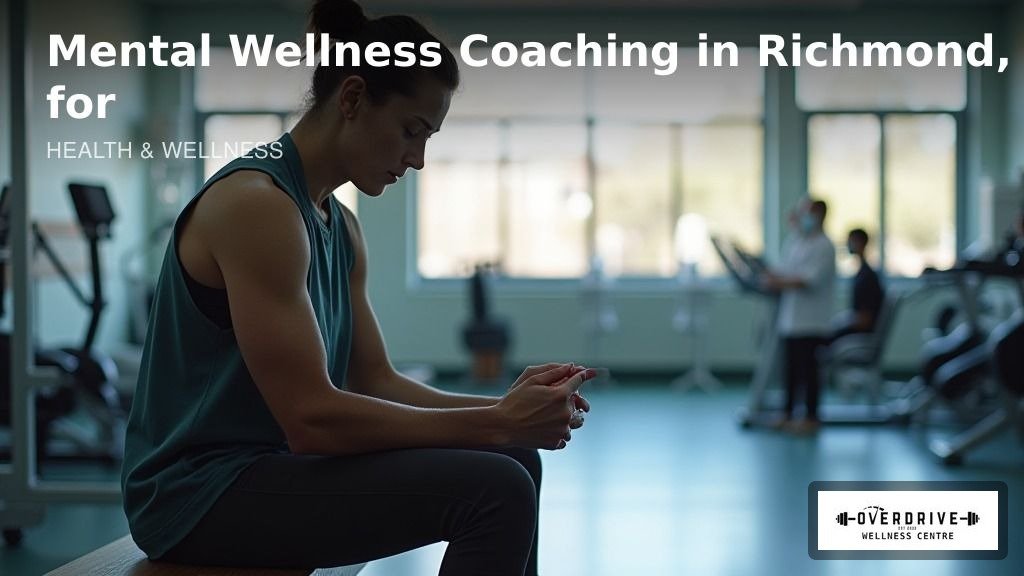
That moment of doubt before a heavy lift or the starting gun can directly impact your competition results, turning months of physical preparation into a frustrating outcome. Performance anxiety is a real, measurable force that can hinder athletic execution, while studies indicate that a substantial percentage of competitive athletes experience symptoms of burnout at some point in their careers. For the vibrant athletic community in Richmond, BC, addressing these mental pressures is not a sign of weakness; it’s a critical component of elite performance and long-term well-being.
Many athletes believe that more physical training is the only answer to a plateau or decline in performance. However, the mind is an integral part of the athletic machine. Mental wellness coaching specifically targets the unique challenges athletes face, such as maintaining motivation through gruelling training blocks and navigating the psychological fallout of injury. This approach complements physical conditioning, creating a more resilient and complete competitor.
When seeking mental performance support in BC, look beyond the title ‘coach.’ A practitioner with a Registered Clinical Counsellor (RCC) designation, overseen by the BCACC, ensures they adhere to stringent ethical and educational standards. This is a critical marker of quality and accountability in a field that is not strictly government-regulated.
Beyond Physical Training: Understanding the Mental Game in Athletics
In high-intensity sports, the gap between winning and losing is often measured in milliseconds or a single kilogram. While physical prowess is the foundation, mental fortitude is what allows an athlete to access their full potential under pressure. At Overdrive Wellness, our background in demanding disciplines like CrossFit and Olympic Weightlifting provides a deep understanding of these unique mental pressures. We recognize that performance is not just about the body; it’s about the synergy between mind and movement, a core tenet of our preventive, holistic, evidence-based care philosophy.
Three common mental hurdles can derail even the most physically gifted athletes: performance anxiety, burnout, and a loss of motivation. Performance anxiety often manifests as excessive worry about an upcoming event, leading to physical symptoms like increased heart rate, muscle tension, and nausea, which directly sabotage execution. Burnout is a more chronic state of emotional and physical exhaustion, often accompanied by a reduced sense of accomplishment and a cynical attitude toward the sport. This is not simple fatigue. It is a profound state that requires targeted intervention. Finally, a loss of motivation can creep in during long seasons or after a setback, making the daily grind of training feel pointless and draining.
Ignoring these signs can have significant consequences. An athlete struggling with anxiety may start avoiding competitive situations, while one experiencing burnout is at a higher risk of injury and may quit their sport entirely. Integrating mental wellness coaching with a physical training regimen can significantly enhance an athlete’s overall performance, resilience, and career longevity. It provides the tools to manage pressure, reframe negative thoughts, and reconnect with the intrinsic joy of their sport. This proactive support is essential for sustainable success.
How Mental Wellness Coaching Works for Athletes in Richmond, BC
Mental wellness coaching for athletes is a structured, collaborative process designed to build psychological skills, much like a strength coach builds physical capacity. It moves beyond generic advice, offering evidence-based strategies tailored to the specific demands of sport and competition. For an athlete in Richmond, this means receiving support that understands the local competitive scene, from local track meets to high-stakes CrossFit competitions. The process begins with identifying the core challenges, whether it’s pre-competition jitters, a fear of re-injury, or the feeling of being mentally drained.
Practitioners often use established techniques to help athletes build resilience. Cognitive-Behavioral Therapy (CBT) is a powerful tool for identifying and challenging the negative thought patterns that fuel anxiety and self-doubt. An athlete might learn to reframe a thought like “I’m going to fail this lift” into “I have trained for this lift and I am prepared to execute it.” Another common approach is Mindfulness-Based Stress Reduction (MBSR), which teaches athletes to stay grounded in the present moment rather than getting caught up in future worries or past mistakes. These are not just abstract concepts. They are practical skills honed through practice, just like a squat or a snatch.
The coaching relationship is confidential and goal-oriented. A session, which typically costs between $80–$200, might involve setting process-oriented goals (e.g., focusing on breathing cues during a race) instead of outcome-oriented ones (e.g., winning the race). It could also involve developing pre-performance routines to create a sense of control and predictability in the chaotic environment of competition. For athletes in Richmond’s diverse community, this support can also address the unique cultural pressures and expectations that may influence their mental state, providing a truly personalized and holistic path to peak performance.
The Tangible Benefits: Performance, Resilience, and Career Longevity
Investing in mental wellness is not an abstract expense; it yields concrete returns in performance and overall well-being. The most immediate benefit is an enhanced ability to perform under pressure. By learning to manage anxiety and focus attention, athletes can execute their skills more consistently and effectively when it matters most. This translates directly to better competition results and a greater sense of accomplishment. It’s about ensuring that the athlete who shows up on game day is the same one who excels in practice.

Beyond single events, mental wellness coaching builds resilience—the ability to bounce back from setbacks like a poor performance, an injury, or a conflict with a coach. An athlete equipped with mental skills is better able to process disappointment, learn from failure, and maintain a positive trajectory. This resilience is crucial for career longevity. Many talented athletes leave their sports prematurely not due to a lack of physical ability, but because the mental toll becomes unsustainable. Proactive mental support helps build a foundation for a long, healthy, and enjoyable athletic career.
This holistic approach also improves life outside of sport. The skills learned in coaching—stress management, emotional regulation, and effective communication—are transferable to all areas of life, including academics, work, and personal relationships. By treating the athlete as a whole person, mental wellness coaching contributes to a more balanced and fulfilling life. This aligns perfectly with our philosophy at Overdrive Wellness, where we work to collaborate with other practitioners to provide you with holistic, comprehensive care. It’s about building stronger athletes and healthier individuals.
Finding the Right Support: What to Look for in a Practitioner
When seeking mental performance support in Richmond, BC, it’s crucial to understand the range of qualifications. While the term “coach” is not legally protected, designations like Registered Clinical Counsellor (RCC) provide a benchmark for quality and professionalism. An RCC is a member of the BC Association of Clinical Counsellors (BCACC), a professional body that provides oversight and ensures its members meet specific master’s-level educational requirements and adhere to a strict code of ethics and standards of practice. Choosing a practitioner with an RCC designation gives you confidence that you are working with a qualified professional committed to your well-being.
A good fit goes beyond credentials. You should look for a practitioner who has experience working with athletes and understands the unique pressures of your sport. During an initial consultation, ask about their approach and their experience with issues like performance anxiety or burnout. Our team at Overdrive Wellness includes professionals with these credentials who bring a deep, personal understanding of athletic culture. You can meet the team to learn more about their specific backgrounds and qualifications.
Finally, the therapeutic relationship is key. You should feel comfortable, heard, and respected. The practitioner should be a collaborative partner in your journey, helping you set meaningful goals and develop strategies that feel authentic to you. Trust your intuition during the selection process. A strong connection with your counsellor or coach is one of the most significant predictors of a positive outcome, ensuring you get the most out of your investment in your mental game.
Integrating Your Wellness: A Holistic Approach at Overdrive Wellness
An athlete’s performance is a complex interplay of physical capacity, nutritional strategy, and mental state. A holistic approach recognizes that these elements are deeply interconnected. At Overdrive Wellness, we champion this integrated model, where mental wellness coaching is not an isolated service but a key part of a comprehensive care plan. We believe that collaborating with practitioners across different disciplines provides the most effective path to health and performance. For example, the mental strategies to cope with an injury are most effective when paired with a clear rehabilitation plan from a kinesiology professional.
This collaborative care model allows for a deeper level of support. A Registered Dietitian might identify nutritional factors contributing to low energy and mood, which can then be addressed in tandem with a mental wellness coach who is working on motivation strategies. Similarly, a Chiropractor can address physical restrictions while a coach helps the athlete build the mental confidence to move freely again. This synergy ensures that all aspects of the athlete’s well-being are considered, leading to more robust and lasting results. Our complete list of services is designed to work together to support your goals.
Below is an overview of our core services and their associated costs, reflecting our commitment to transparent, evidence-based care.
| Service | Price Range (per session) | Key Application |
|---|---|---|
| Mental Wellness Coaching/Counselling | $80 – $200 (50-60 min) | Application of cognitive-behavioral techniques (CBT) or mindfulness-based stress reduction (MBSR) for improved mental resilience. |
| Personalized Fitness Coaching | $75 – $160 (60 min) | Utilizes advanced biomechanical analysis and periodization principles for optimized strength and conditioning programming. |
| Registered Massage Therapy (RMT) | $105 – $190 (60-90 min) | Employs evidence-based manual therapy techniques to address specific musculoskeletal dysfunctions and improve tissue health. |
| Registered Dietitian Consultation | $130 – $260 (initial 60-90 min) | Applies current nutritional science and medical guidelines to create individualized dietary interventions and health management plans. |
Addressing performance anxiety, burnout, and motivation issues proactively is a crucial investment. Timely intervention can prevent long-term negative impacts on an athlete’s career, physical health, and overall well-being. If you are an athlete in Richmond, BC, looking to reach your full potential, consider integrating mental wellness into your training regimen. It may be the missing piece in your performance puzzle.
Ready to build your mental resilience and take your performance to the next level? The team at Overdrive Wellness is here to support you with an integrated, evidence-based approach to athletic well-being. Contact Us today at our Richmond, BC centre to book a consultation and learn how we can help you achieve your goals, both in and out of the arena.
What qualifications should I look for in a mental wellness coach in Richmond, BC?
In British Columbia, look for a practitioner with a Registered Clinical Counsellor (RCC) designation. This indicates they are a member of the BC Association of Clinical Counsellors (BCACC) and have met specific master’s-level education and ethical standards, providing a layer of accountability that an unregulated ‘coach’ may not have.
How much does mental performance coaching for athletes cost in Richmond?
At Overdrive Wellness, a 50-60 minute session for mental wellness coaching or counselling typically ranges from $80 to $200. The exact cost can depend on the practitioner’s experience and the specifics of the service. Many extended health benefit plans may cover services provided by a Registered Clinical Counsellor (RCC).
How does mental wellness coaching actually work for an athlete?
The process at Overdrive Wellness is collaborative and goal-oriented. It often involves using evidence-based techniques like Cognitive-Behavioral Therapy (CBT) to identify and reframe negative thought patterns or mindfulness strategies to improve focus under pressure. The goal is to build practical, repeatable mental skills that you can use in training and competition.
When should an athlete in Richmond seek mental wellness support?
You don’t need to wait for a crisis. Proactive support is key. Consider seeking help if you notice persistent performance anxiety, a lack of motivation, feelings of burnout, or difficulty recovering mentally from setbacks or injuries. Addressing these issues early can prevent them from impacting your career and overall well-being.
- BC Association of Clinical Counsellors (BCACC) — The professional body providing oversight and ethical guidelines for Registered Clinical Counsellors (RCCs) in British Columbia.
Last updated: 28 June 2026